
November 12, 2026
Explore: Fabric & Care
Does Cotton Shrink? Jeans, Hoodies, Chinos and Overalls
Does cotton shrink? Often a little. How jeans, hoodies, chinos and overalls behave, what preshrunk means, and how to wash and dry to limit it.
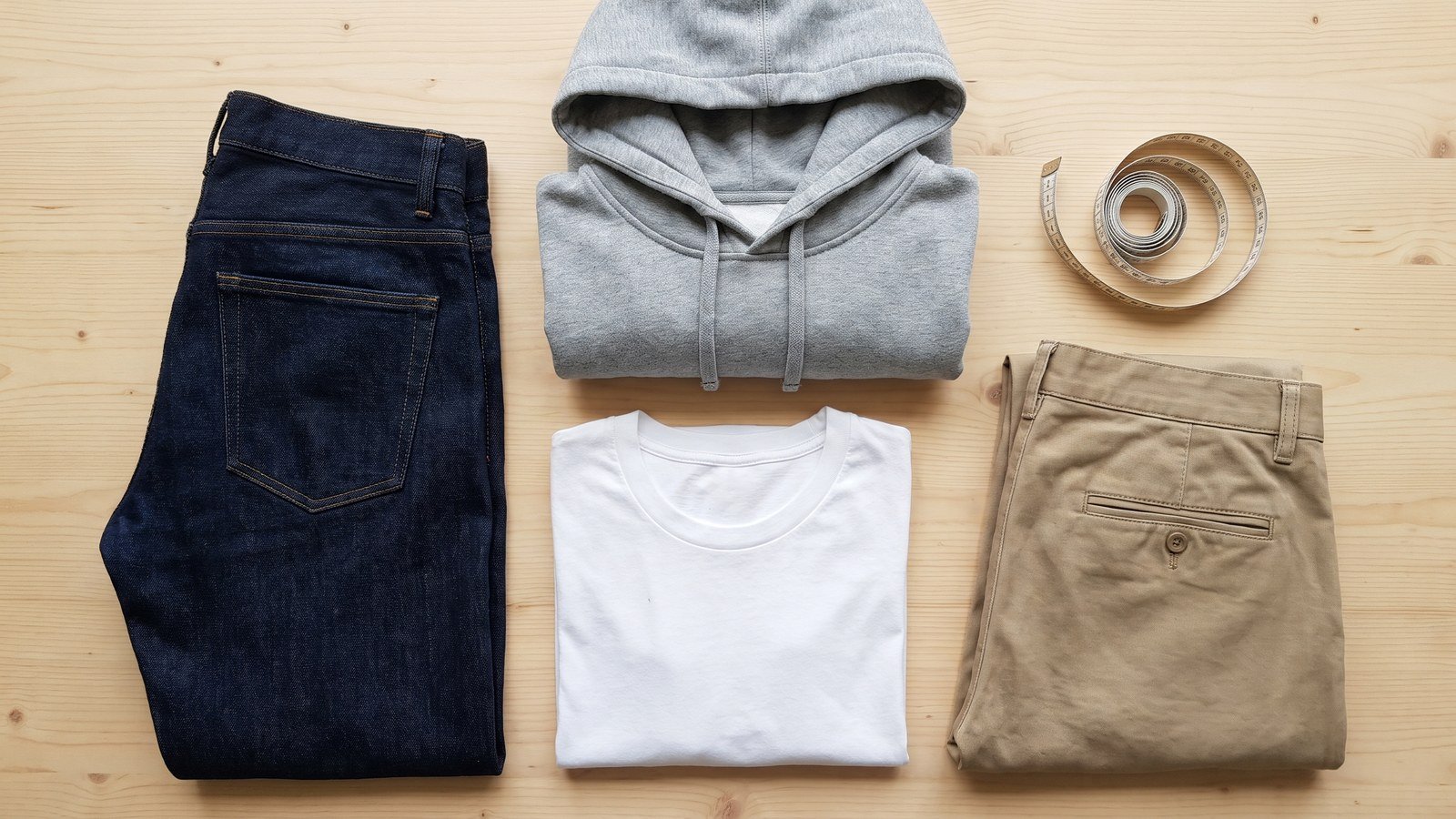
You buy a hoodie that fits perfectly, wash it, dry it, and the sleeves are suddenly short. Or a pair of jeans that sat right at the ankle now flashes sock. Cotton has a reputation for shrinking, and it’s partly earned. But a lot of cotton clothing barely changes at all, and the difference usually comes down to how it was made, how it was finished and how it’s washed and dried.
So does cotton shrink? This guide answers it garment by garment for the cotton pieces men wear most: jeans, hoodies and sweatshirts, chinos and casual trousers, workwear and overalls. It explains why cotton shrinks, what “preshrunk” really means, how to wash and dry to limit it, and how to buy with shrinkage in mind. For t-shirts specifically, our guide on why t-shirts shrink and how to help prevent it goes into more depth.
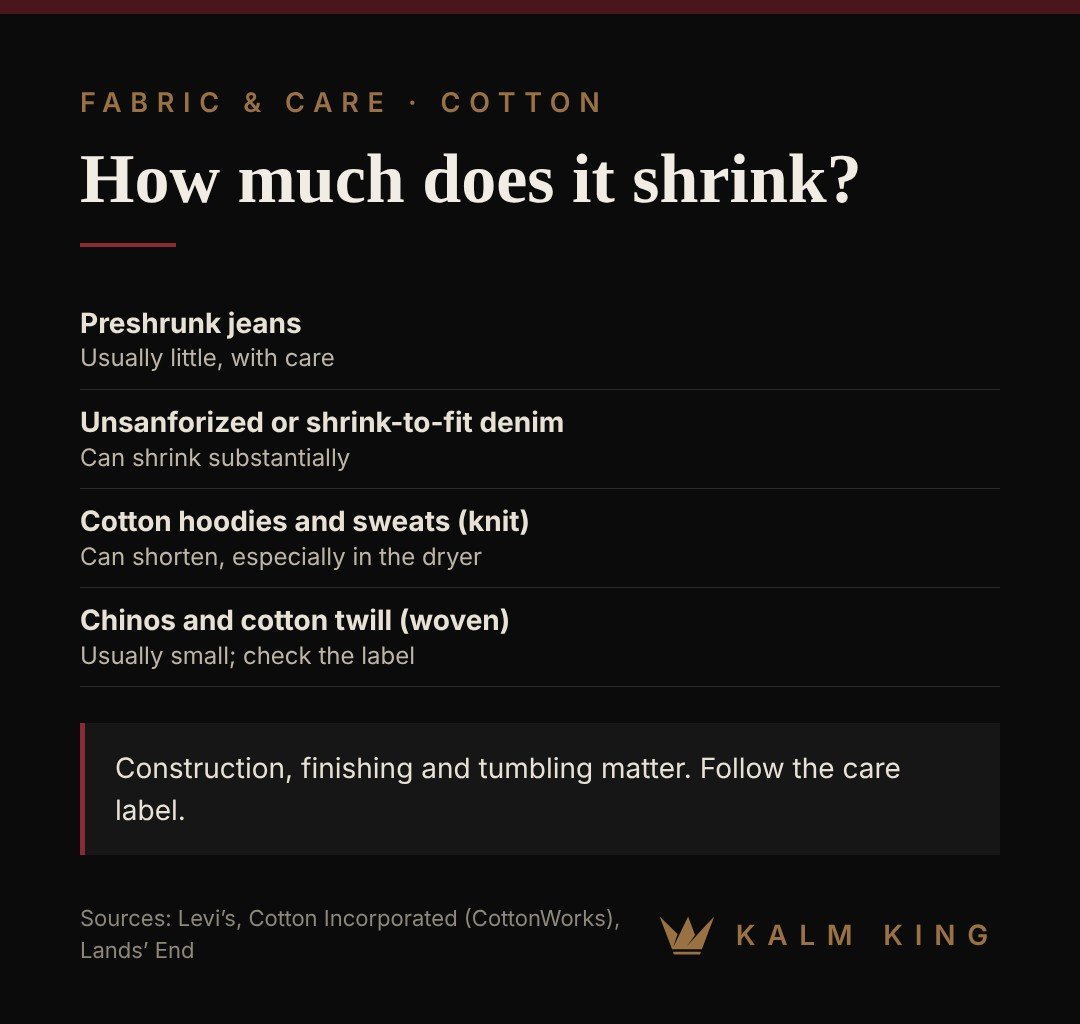
Short answer: Cotton can shrink, mostly in the first few washes. Cotton fabric can relax and consolidate during washing and drying, and its construction, finishing and the dryer’s tumbling action affect how much it changes. Many cotton garments are preshrunk, so they change little if you follow the care label, but they can still shrink a little. Unsanforized or shrink-to-fit denim can shrink substantially. Knits like hoodies often shorten more than wovens like chinos. To limit it, follow the care label and skip the tumble dryer when you can.
Why Cotton Shrinks
Cotton fibers are made into yarn and then into fabric, and that process stretches and tensions them. Cotton fabric can relax and consolidate during washing and drying, settling into a shorter, more compact state. Its construction, its finishing and the dryer’s tumbling action affect how much it changes.
The result is a garment that’s a little shorter or narrower than it was. How much depends on the fabric, the construction and what was done to it at the factory. Cotton Incorporated’s CottonWorks resource describes shrinkage in garments as affecting not just size but “seam puckering and skew, changed relationships between the body cloth and trim components, and changes in fit.”
Knits vs wovens
How the fabric is built matters.
- Knit fabrics, used for t-shirts, hoodies, sweatshirts and underwear, are made from interlocking loops. Loops can tighten up in the wash, and knits often shorten in length. CottonWorks notes that a knitter can’t make knitted fabric with no shrinkage at all, which is why so much effort goes into removing it during finishing.
- Woven fabrics, used for jeans, chinos, shirts and workwear, are made by interlacing yarns at right angles. Wovens are usually more stable, but they can still shrink, especially if they haven’t been preshrunk.
Tumbling matters more than you’d think
It’s easy to blame heat, but research from Cotton Incorporated points elsewhere. In its testing, “it is mechanical action in all forms of drying and not the heat that shrinks cotton and cotton blended fabrics.” It found heat “only controls the time it takes for the fabric/garment to dry,” and that hot washing 100% cotton “does not result in more relaxation than lower temperatures.”
That doesn’t make heat irrelevant: Levi’s warns that high heat can break down stretch fibers, and care labels set temperature limits for a reason. But it does mean the tumble dryer’s action, not just its setting, is part of the story. Levi’s advice for its jeans is simple: “To minimize shrinkage, wash in cold water and air dry whenever possible.”
What “Preshrunk” Means
Many cotton garments are labeled preshrunk. It means the fabric or the finished garment was treated at the factory so that most of the shrinkage happened before you bought it. That treatment can involve washing, steaming, compressing the fabric or chemical finishing. CottonWorks describes compaction as one method, used “primarily on knits such as underwear fabrics and tubular goods.”
Preshrunk doesn’t mean the garment will never change. Cotton can still shrink a little even when it’s preshrunk; it should change less if you follow the care label. Levi’s says most of its jeans are preshrunk and “should experience little to no shrinkage when cared for according to the garment care instructions.”
Some garments are deliberately not preshrunk. Unsanforized and shrink-to-fit denim are the best-known examples, and they can shrink substantially. Raw denim isn’t automatically in this group: “raw” means unwashed, and raw denim may already be sanforized, a preshrinking process. Check the product description or ask the maker.
Does Cotton Shrink? Garment by Garment
Jeans
Levi’s says most of its jeans “are preshrunk and should experience little to no shrinkage when cared for according to the garment care instructions.” Check other manufacturers’ guidance for their jeans. Its care advice: turn jeans inside out, close the zip, wash cold on a gentle cycle, and skip the dryer, which it says “may contribute to shrinking and fading.”
Shrink-to-fit and unsanforized denim is different. Levi’s describes its Shrink-to-Fit jeans as “made from raw denim” and “not preshrunk,” designed to shrink and conform to your body. If you plan to machine wash and dry them, Levi’s recommends sizing up: in the waist, “Add 1″ for sizes 27-36,” “Add 2″ for sizes 38-48” and “Add 3″ for sizes 50 and above”; in the inseam, “Add 3″ for sizes 27-34” and “Add 4″ for sizes 36 and above.” Those are Levi’s numbers for its Shrink-to-Fit jeans only, not a rule for other brands or for raw denim in general.
Stretch denim contains elastane and can still shrink, because the cotton in it can still relax. Heat is a separate concern for the stretch fibers: Levi’s says to “avoid high heat when drying, as it can break down the elastic fibers over time.”
Our guide on how to measure your inseam explains how to allow for length when you buy.
Hoodies and sweatshirts
Cotton hoodies and sweatshirts are knits, often fleece-backed, and they’re among the cotton items most likely to come out shorter, especially in the body and sleeves. Tumble drying is a common point where it shows. Even preshrunk sweats can tighten a little over the first washes.
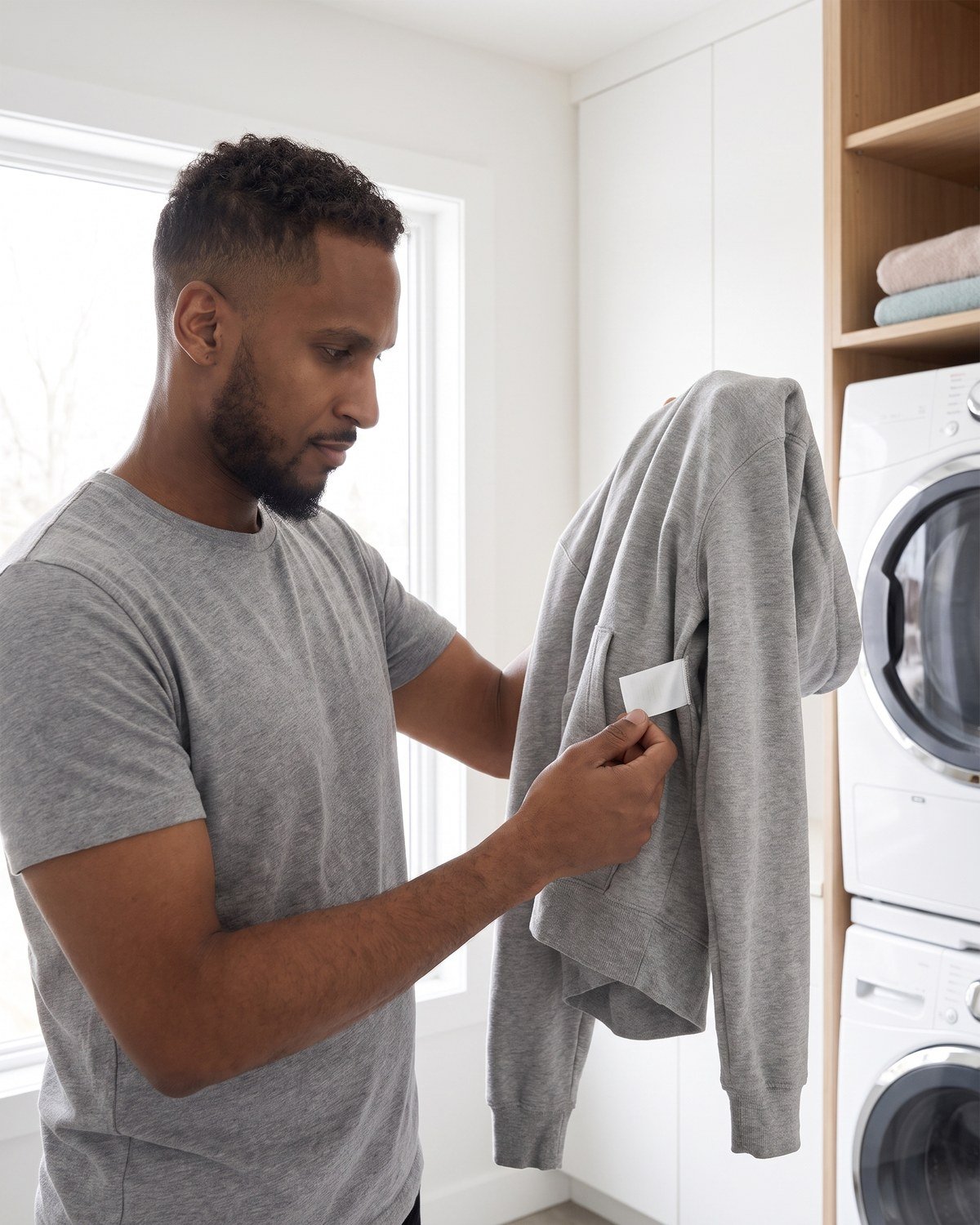
To limit it, follow the care label, turn them inside out to protect the outside, and air dry flat or on a rack. If you do use the dryer, follow the label’s setting and take them out while they’re slightly damp, then let them finish air drying.
Chinos and casual trousers
Chinos are usually cotton twill, a woven fabric, often preshrunk. They tend to shrink less than knits. Still, repeated washing and tumble drying can take a little length off the leg. Lands’ End’s hemming guidance tells its customers to “allow an extra ½ inch” for shrinkage in 100% cotton items; that’s Lands’ End’s allowance for its own trousers, but it’s a useful reminder when you’re choosing an inseam for cotton trousers.
Workwear and overalls
Workwear made from heavy cotton duck, canvas or denim is often built to be durable and is frequently preshrunk, but not always. Some heavy cotton work pieces soften and change a little over the first washes. Check the product description and care label, and if you’re unsure, ask the maker. For bib overalls, the straps can compensate for a little shrinkage in the torso; the leg length is the bigger concern. Our guide on how men’s overalls should fit covers how washing can change the fit over time.
On one-pieces like coveralls and jumpsuits, shrinkage in length is harder to live with, because it shortens a torso length that’s usually fixed. Our guide on how a jumpsuit should fit explains why torso length matters.
T-shirts
Cotton tees are knits and can shrink, especially in length. Heavyweight and garment-dyed tees can behave differently from standard ones. Our guides on why t-shirts shrink and what a heavyweight t-shirt is cover tees in detail.

How to Wash Cotton to Limit Shrinkage
The care label comes first. Beyond that, these habits keep cotton closer to the size you bought it.
Wash at the label’s temperature, or cold
Levi’s recommends cold water for its jeans. Cold washing is also kind to color. CottonWorks found hot washing 100% cotton didn’t cause more relaxation than lower temperatures, so the bigger wins usually come from the cycle and the drying.
Use a gentle or normal cycle
Agitation helps fibers relax and shrink. A gentle cycle is kinder to cotton, especially knits. Avoid heavy-duty cycles for everyday clothes.
Turn it inside out
Turning jeans, hoodies and printed tees inside out reduces surface wear and fading. It doesn’t stop shrinkage by itself, but it’s part of washing gently.
Skip the tumble dryer when you can
This is the biggest one. CottonWorks links drying shrinkage to the tumbling action, and Levi’s says the dryer “may contribute to shrinking and fading.” Air dry when you can: hang jeans and chinos, lay knits flat or on a rack. If you use the dryer, follow the label’s setting and take items out while they’re slightly damp.
Don’t over-wash
Some cotton pieces don’t need washing after every wear. Levi’s recommends washing denim “after approximately every 10 wears” and spot cleaning small stains. Fewer washes means fewer chances to shrink.
Can You Unshrink Cotton?
Sometimes, a little. Gently stretching a damp cotton garment back toward its original size and letting it dry flat can recover some length, especially in knits. Results vary, it won’t fully undo heavy shrinkage, and any recovered length may not survive the next wash and dry. It’s much easier to avoid shrinkage than to reverse it. Our t-shirt shrinkage guide covers what to try and what to expect.
How to Buy Cotton With Shrinkage in Mind
- Check for “preshrunk” on the label or product page. Either way, use the maker’s size chart and garment measurements, then follow the care label.
- For unsanforized or shrink-to-fit denim, follow the brand’s sizing advice. Levi’s gives specific size-up numbers for its Shrink-to-Fit jeans, depending on how you’ll wash them.
- Allow some length in 100% cotton trousers, especially if you’ll machine dry them. Lands’ End suggests an extra ½ inch for its 100% cotton items; other brands may differ.
- Choose blends if shrinkage worries you. Cotton blended with polyester tends to be more dimensionally stable; our guide on whether polyester shrinks explains why.
- Read the drying instruction before you buy. A “lay flat to dry” or “tumble dry low” label tells you how the garment is meant to be treated.
Cotton Blends and Shrinkage
Not every “cotton” garment is 100% cotton. Many jeans, chinos, hoodies and tees are blends, and the blend changes how the garment behaves in the wash.
- Cotton and polyester: Polyester is a synthetic fiber that tends to hold its shape better than cotton. Blends like this are often more stable in the wash, though the cotton part can still relax and tighten a little.
- Cotton and elastane: A small amount of elastane adds stretch. The cotton can still shrink, and the stretch fibers are sensitive to high heat, which is why Levi’s stretch care advice warns against hot drying.
- Cotton and other natural fibers: Blends with linen or other natural fibers can behave much like cotton. Check the label and treat them gently.
The fiber content is on the care label, usually as percentages. It’s worth a quick look before the first wash, especially if you’re used to treating everything the same way.
A Worked Example: A New Pair of Jeans
Say you buy a pair of dark, 100% cotton jeans that fit well in the shop, and the product page says they’re preshrunk.
- Before the first wash, you check the care label. It says to wash cold and line dry or tumble dry low.
- You turn them inside out, close the zip and wash them cold on a gentle cycle with a few other dark items, following Levi’s general denim care advice.
- You hang them to dry away from direct heat instead of using the dryer.
- After drying, they may feel a little snug at first and ease with wear. That’s normal for cotton denim.
Now imagine the same jeans tumble dried every time. Even preshrunk denim can lose a little length that way, and the color may fade faster. The garment is the same; the care is what changed.
If the jeans were unsanforized or shrink-to-fit instead, the process would be different. You’d follow the brand’s own instructions and sizing advice, because those jeans can shrink substantially during their first soak or wash.
How to Dry Cotton Without a Dryer
Air drying skips the tumbling action entirely, and it works for almost everything.
Jeans and chinos
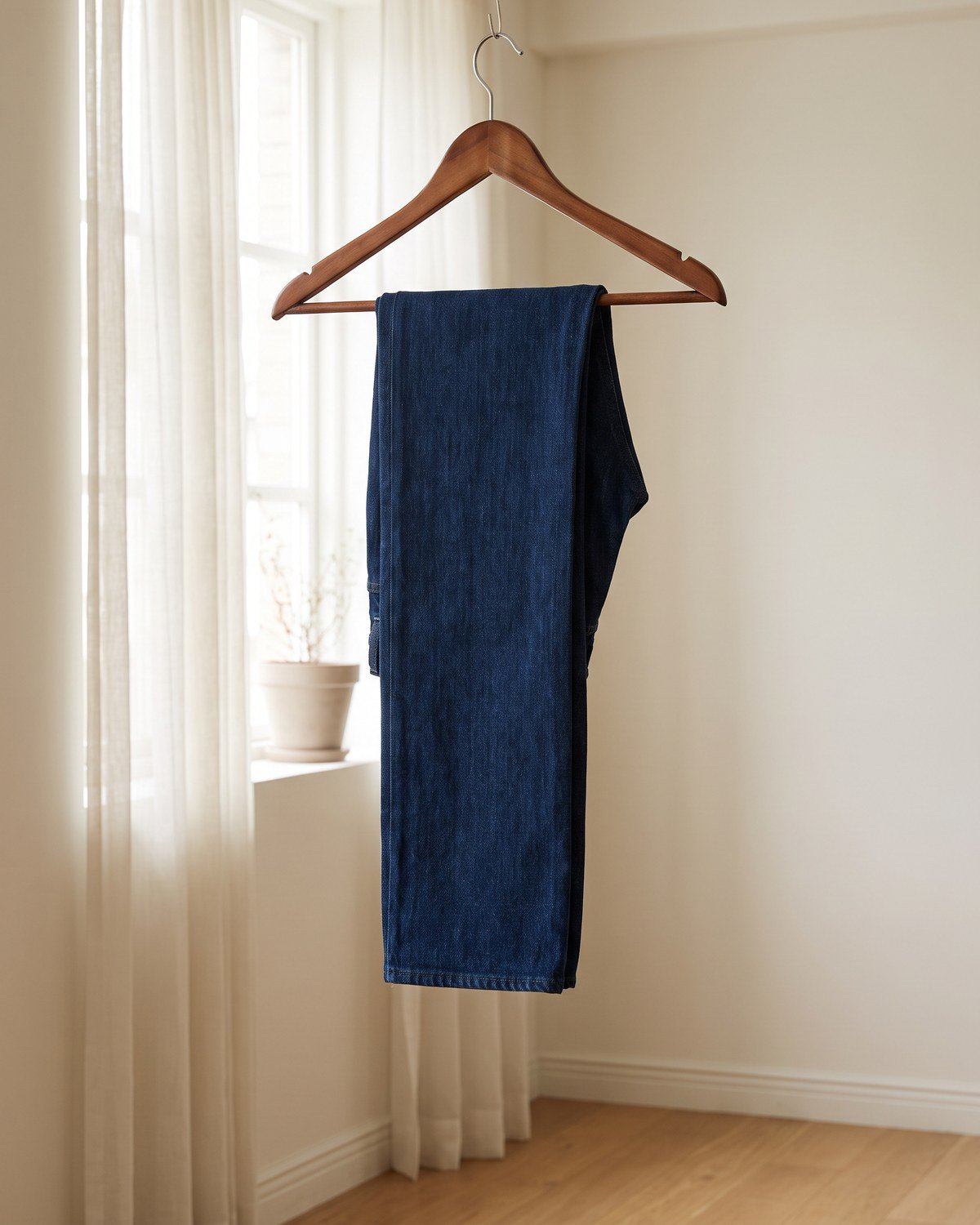
Hang them by the waistband or fold them over a hanger or drying rack bar. Smooth the legs and pull the seams straight while they’re damp, which reduces creasing and twisting. Keep dark denim out of strong direct sun to limit fading.
Hoodies and sweatshirts
Heavy knits stretch when hung wet, because the weight of the water pulls them down. Lay them flat on a drying rack or a clean towel, ease them back into shape, and turn them over once they’re partly dry. They take longer to dry than lighter cotton, so give them space and airflow.
Tees
Tees can hang on a hanger or be laid flat. Hanging can lengthen them slightly while they dry; laying flat keeps their shape more evenly.
Workwear and overalls
Heavy cotton duck and canvas hold a lot of water. Hang them somewhere with good airflow and expect them to take a while. Unbuckle bib overall straps and lay them so they don’t pull the bib out of shape.
Reading a Cotton Care Label
US clothing sold to consumers generally has a permanent care label. For cotton, the parts that matter most for shrinkage are:
- Washing temperature: “cold” or “warm” tells you the maximum the maker recommends.
- Drying instruction: “tumble dry low,” “line dry” or “lay flat to dry” tells you how the maker intends the garment to be dried.
- Fiber content: the percentage of cotton and any blend fibers.
- Special instructions: wording like “wash before wear” or “may shrink” tells you how the maker wants it treated, but it doesn’t tell you how the fabric was finished. For that, check the product description or ask the maker.
If the label and a general care tip disagree, follow the label. It’s the maker’s instruction for that specific garment.
Why One Wash Shrinks More Than Another
Two people can wash the same hoodie and get different results. A few factors usually explain it.
The first washes matter most
Most of the change in cotton happens early. A garment that comes through its first few washes unchanged is likely to stay close to its size with the same care. One that shrinks on its first wash and tumble dry may already have lost much of what it will lose.
Tumbling adds up
CottonWorks links drying shrinkage to the dryer’s mechanical action, and tumbling a garment that’s already dry adds wear for no benefit. If you use the dryer, take cotton out as soon as it’s dry, or slightly before.
Overloading and agitation
A packed drum rubs garments against each other and can increase wear, while a very empty drum lets them tumble hard. A moderate load on a gentle or normal cycle is kinder to knits in particular.
The garment itself
Fabric weight, knit or weave, fiber content and how the garment was finished all affect shrinkage. Two hoodies that look alike in the shop can behave differently in the wash, which is why the care label for each garment matters more than a general rule.
What to Do After Cotton Has Shrunk
If a favorite piece has come out smaller, a few options are worth trying before you give up on it.
- Try the gentle stretch. For knits, soaking in cool water, pressing out the excess and easing the garment back toward its original shape while it dries flat can recover a little length. Results vary, and any recovered length may not survive the next wash and dry.
- Wear it differently. A hoodie that’s a touch shorter can still work layered over a longer tee or under an open overshirt.
- Rehem rather than replace. For trousers that have lost a little length, a tailor can sometimes let down the hem if there’s spare fabric folded inside. Check the inside of the hem before you decide.
- Learn from it. Note what happened, such as a long tumble dry, so the next piece gets gentler care from the start.
And if a garment shrinks noticeably despite following its care label, it’s worth contacting the retailer or maker. Their care instructions are meant to keep the garment the size you bought.
Cotton and Fit Over Time
Shrinkage isn’t the only way cotton changes. Many cotton garments also stretch and relax as you wear them, then tighten again when washed. Jeans are the classic example: they can feel snug straight out of the wash and ease through the day as the fabric warms and moves with you. Cotton knits can bag slightly at the elbows or knees between washes.
That cycle is normal. It’s one reason to judge a cotton garment’s fit after a few wears and washes, not only on the first day. If you’re between sizes in 100% cotton, think about how you’ll wash and dry it. Air drying and following the care label help it stay closer to the size you bought, while regular tumble drying can pull it smaller over time.
Cotton Shrinkage Myths
“All cotton shrinks a full size.” Not necessarily. Preshrunk cotton often changes little with careful care.
“Heat is the only cause.” Not according to CottonWorks’ testing, which links drying shrinkage to the dryer’s mechanical action rather than its heat. Cold washing alone won’t stop cotton from shrinking in the dryer.
“Only cheap cotton shrinks.” Shrinkage depends on construction and finishing, not just price. Shrink-to-fit denim is often expensive and designed to shrink.
“Shrinkage happens every wash forever.” Most shrinkage happens in the first few washes. After that, cotton is usually more stable, though repeated tumble drying can keep tightening knits.
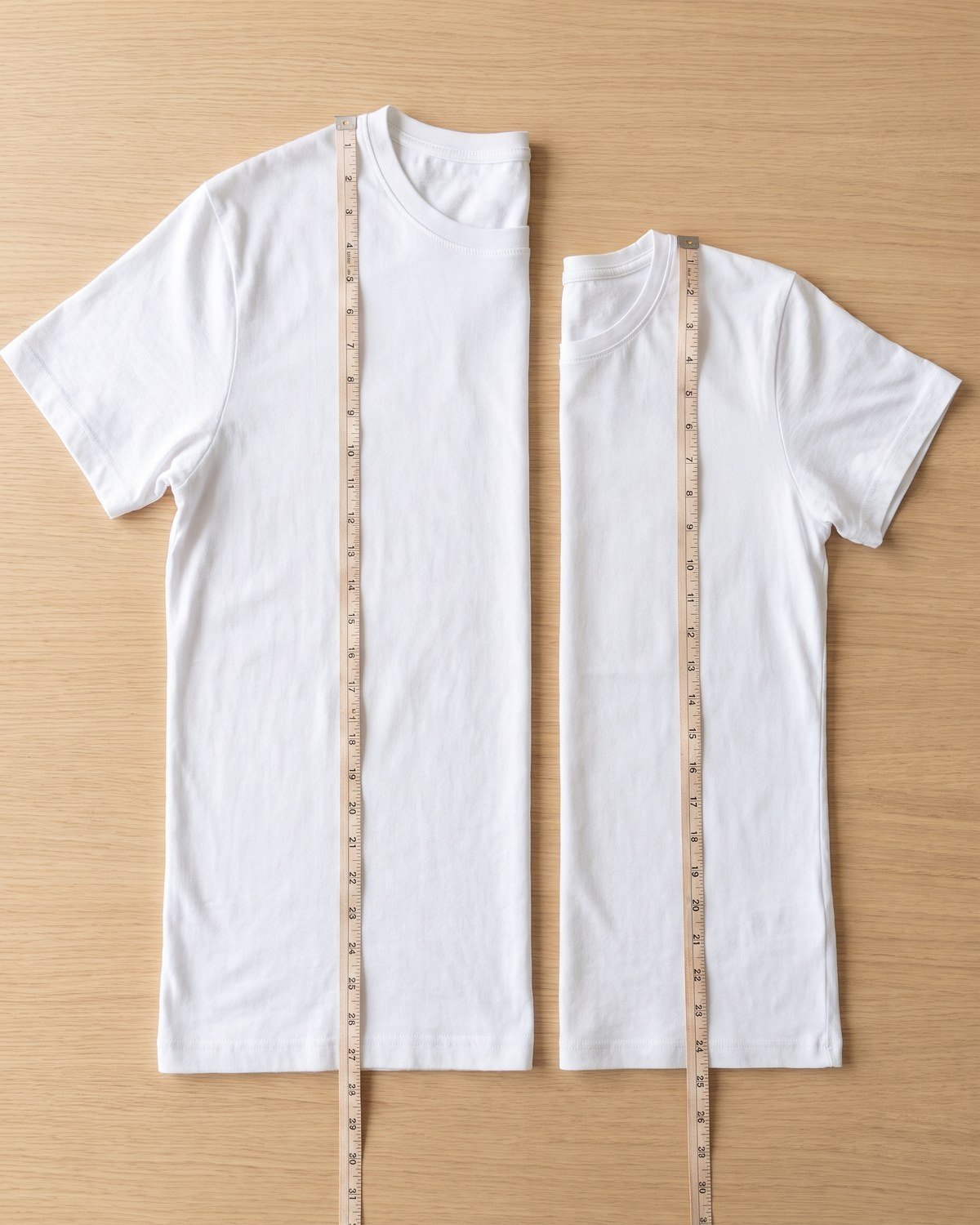
Quick Cotton Shrinkage Checklist
- Read the care label and look for “preshrunk.”
- Wash at the label’s temperature, or cold, on a gentle or normal cycle.
- Turn jeans, hoodies and printed pieces inside out.
- Air dry, or follow the label’s dryer setting and remove while slightly damp.
- Wash denim less often and spot clean small stains.
- For unsanforized or shrink-to-fit denim, follow the brand’s sizing advice.
- Allow a little extra length in 100% cotton trousers if the brand suggests it.

Bringing It Together
Cotton can shrink, but it isn’t a lottery. Most of the change happens in the first few washes, construction, finishing and tumbling all play a part, and a lot of preshrunk cotton barely moves. Knits like hoodies often lose more length than wovens like chinos, and unsanforized or shrink-to-fit denim is the exception that can shrink substantially.
Follow the care label, skip the tumble dryer when you can, and read the product description before you buy. Do that, and your cotton clothes will stay much closer to the size that fit you in the first place.
If you want fit and care notes like this in your inbox, join Field Notes.
Frequently asked questions
Does 100% cotton always shrink?
Not always. Many 100% cotton garments are preshrunk and change little if you follow the care label, though they can still shrink a little. Unsanforized or shrink-to-fit denim can shrink substantially. Construction, finishing and the dryer’s tumbling action all affect how much cotton changes.
Does cotton shrink in cold water?
It can. Cotton Incorporated’s testing found hot washing 100% cotton didn’t cause more relaxation than lower temperatures, and linked drying shrinkage to the dryer’s tumbling action. Levi’s recommends cold washing and air drying for its jeans.
How much do jeans shrink?
Levi’s says most of its jeans are preshrunk and should experience little to no shrinkage when cared for according to their instructions. Check other manufacturers’ guidance. Shrink-to-fit denim is different: Levi’s recommends sizing up its Shrink-to-Fit jeans if you’ll machine wash and dry them.
Do cotton hoodies shrink?
They can, especially in length, because they’re knits. Follow the care label, turn them inside out and air dry flat, or take them out of the dryer while slightly damp.
Sources
- Shrinkage and Shrink-to-Fit jeans (Levi’s Customer Service) (manufacturer, commercial)
- Denim care and washing (Levi’s Customer Service) and Levi’s Product Size Guide (stretch care) (manufacturer, commercial)
- Shrinkage & Skewing (CottonWorks by Cotton Incorporated) and CottonWorks research webinar Q&A (industry research body)
- Men’s Bottoms Size Chart (Lands’ End) (manufacturer, commercial)
FIELD NOTES
Get the Overalls Fit Kit, free.
Your measurement card, the six fit checkpoints and a checklist to take shopping. Join Field Notes for new guides and a say in what Kalm King makes.
THE KALM KING JOURNAL
Continue reading
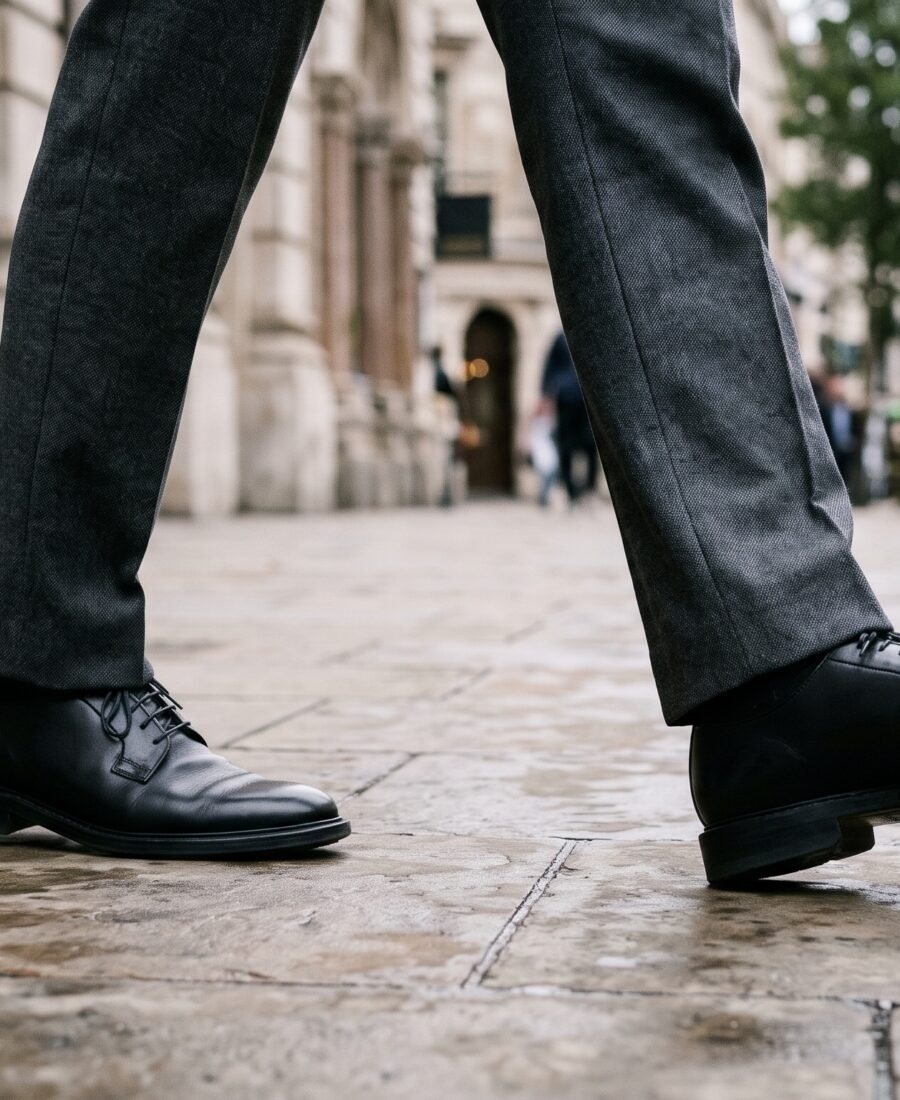
How Should Men’s Dress Pants Fit? Waist, Rise, Seat and Break
How should dress pants fit? Check the waist, rise, seat, thighs and hem with practical sitting tests, break options and realistic tailoring advice.
How Should a Dress Shirt Fit? A Men’s Guide to Collar, Chest and Sleeves
Check dress shirt fit at the collar, shoulders, chest, sleeves and hem. Learn what to measure, how to test movement and when to try another cut.
Men’s Capsule Wardrobe: How to Build One That Actually Works
A men’s capsule wardrobe is a small set of clothes that all work together. How to choose the pieces, colors and fit, and build one at your own pace.