
September 19, 2026
Explore: Gifting
How to buy clothes for him without guessing
His closet already contains the best clues. Read the labels, notice the repeats and buy for his actual life.
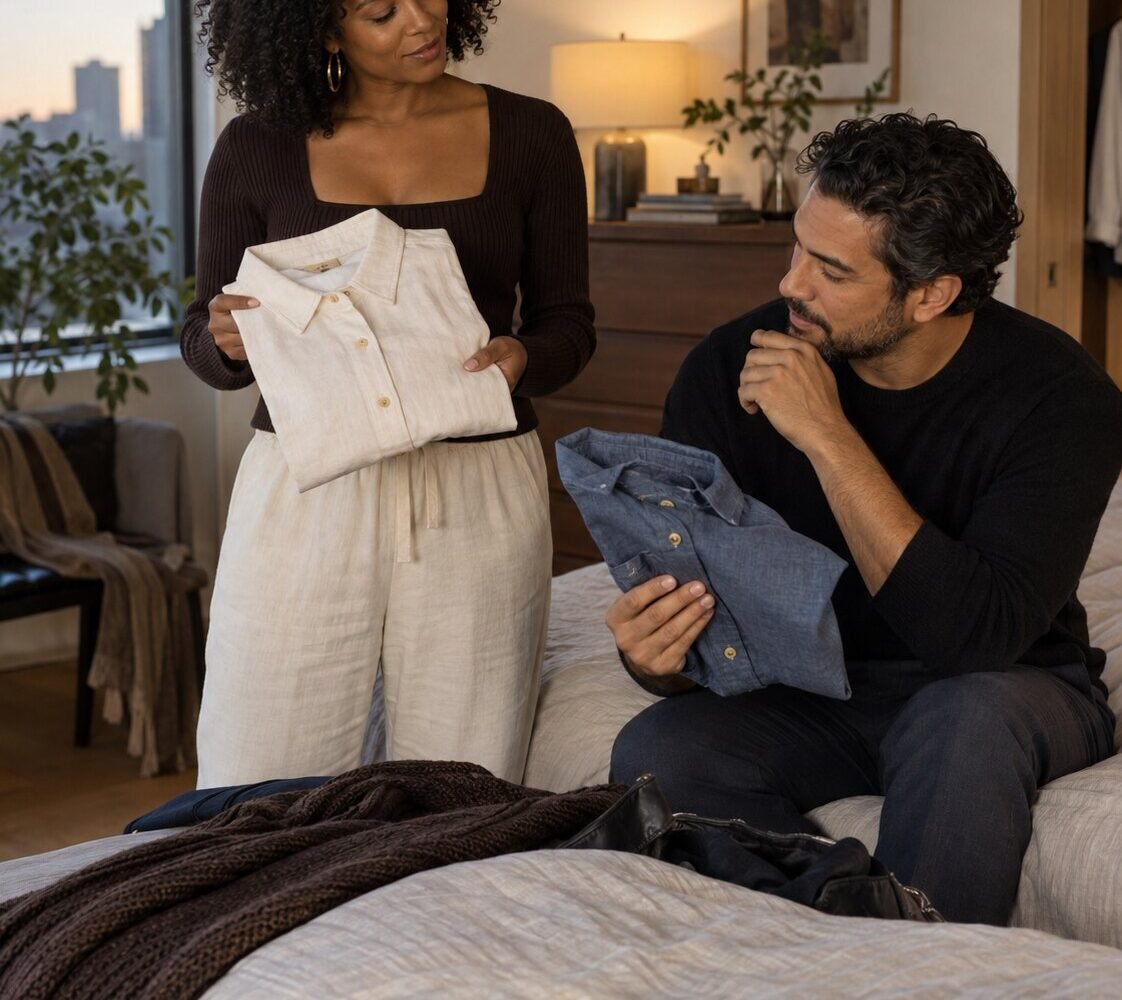
Buying clothes for someone can feel personal right up until the size menu opens. A good gift needs to suit his taste, fit his body and belong in his actual week. Guessing at all three is unnecessary. His closet already contains most of the evidence.
Begin with what he repeats, not what you wish he wore. The shirt that appears every weekend, the jacket hanging near the door and the shoes worn down at the heel tell you more than a trend report. Read those clues, decide how much fit risk you are willing to take and keep the exchange easy.
Short answer: To buy clothes for him without guessing, start with a garment he likes wearing now, check its size and construction, and compare the new retailer’s measuring method. Ask before inspecting his wardrobe. Match his preferences rather than a makeover you have in mind, and keep the return route easy. If you cannot verify the fit, choose together instead of hiding the uncertainty.
Use his repeats as the brief
Look for patterns across several garments. One black shirt proves very little. Five dark shirts in cotton, knit and denim suggest a real preference. The same applies to collars, trouser rises, jacket lengths and shoe shapes.
Notice what he wears in specific parts of his life. Work clothing may follow a dress code he would never choose for dinner. Gym clothes may prioritize performance over personal style. The most useful gift usually suits a setting he enters often and a type of garment he already chooses without being reminded.
- Which colors appear most often?
- Are the fabrics crisp, soft, washed, technical or heavy?
- Does he wear clothes close to the body, straight, or deliberately relaxed?
- Which brands and sizes recur?
- What stays unworn even though it is new?
An unworn item may be too formal, uncomfortable, difficult to clean or unlike him. Do not treat its presence as approval.
Research favors usefulness over the reveal
Gift givers often focus on the exchange itself. Recipients live with the gift afterward. That difference helps explain why an impressive surprise can be less welcome than a useful object the recipient will reach for repeatedly.
In four experiments, researchers found that givers leaned toward smaller, more exclusive gifts, while receivers showed more interest in useful options. Later research found that feasible gifts, meaning gifts that are convenient to use, can make recipients feel closer to the giver than more desirable but less practical alternatives. Consumer researchers have also documented how close givers sometimes ignore explicit requests because choosing something unrequested seems more thoughtful. Recipients do not reliably interpret that detour as greater care.
A request is information, not a creativity test. If he names a specific jacket, size or brand, believe him. Add the personal signal through the note, timing or presentation instead of replacing what he asked for.
KALM KING
Copy the label, then measure the garment
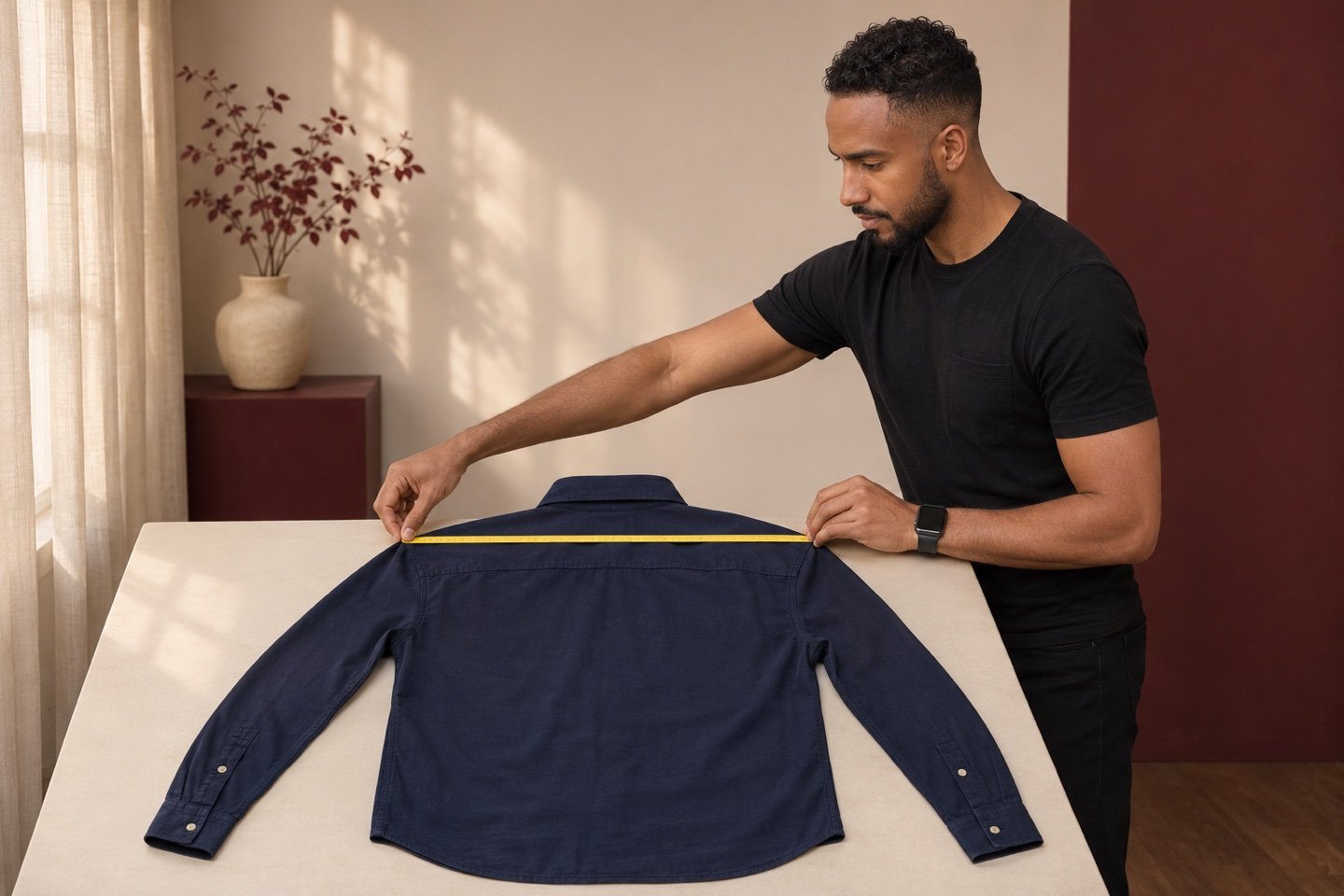
A size is useful only inside its brand and cut. A medium in one shirt can resemble a large in another. Photograph the label of a garment he wears often, including brand, size, fabric composition and care instructions. Then compare the new item’s size chart with the garment itself.
Lay the trusted garment flat without stretching it. For a shirt or jacket, record shoulder width, chest, sleeve and back length. For trousers, record waist, front rise, thigh, inseam and leg opening. Use the retailer’s method when provided. A half-chest measurement taken flat is not the same number as a full chest circumference. For shirts, check his sleeve length on a shirt he already wears. Borrow a pair that fits him and measure the waistband flat.
The shoulder deserves extra attention because it affects the collar, chest, armhole and sleeve. Why the shoulder changes everything shows where a conventional seam should sit and how to measure a shirt that already fits.
Compare like with like. A relaxed overshirt should not size a tailored dress shirt. A pleated trouser will not share the same thigh measurement as a slim five-pocket pant. The goal is to understand the amount of ease he accepts in that kind of garment.
Choose the right level of fit risk
Some clothing gifts tolerate uncertainty. Others punish it. When the evidence is thin, move toward pieces with flexible sizing and easy returns.
KALM KING
Low-risk gifts include scarves, caps, socks and bags, provided the style matches what he uses. Knitwear, sweatshirts, overshirts and robes sit in the middle because their construction allows ease. Fitted shirts, trousers, tailored jackets and shoes need stronger evidence. Shoes are personal because two people with the same numerical size may need different widths or lasts.
Color does not erase fit risk. Black may be common in his wardrobe, but texture and silhouette still need to belong there. If black is one of his repeats, Three ways to make black feel considered can help you choose a fabric and proportion that work with what he owns.
Buy for his actual maintenance habits
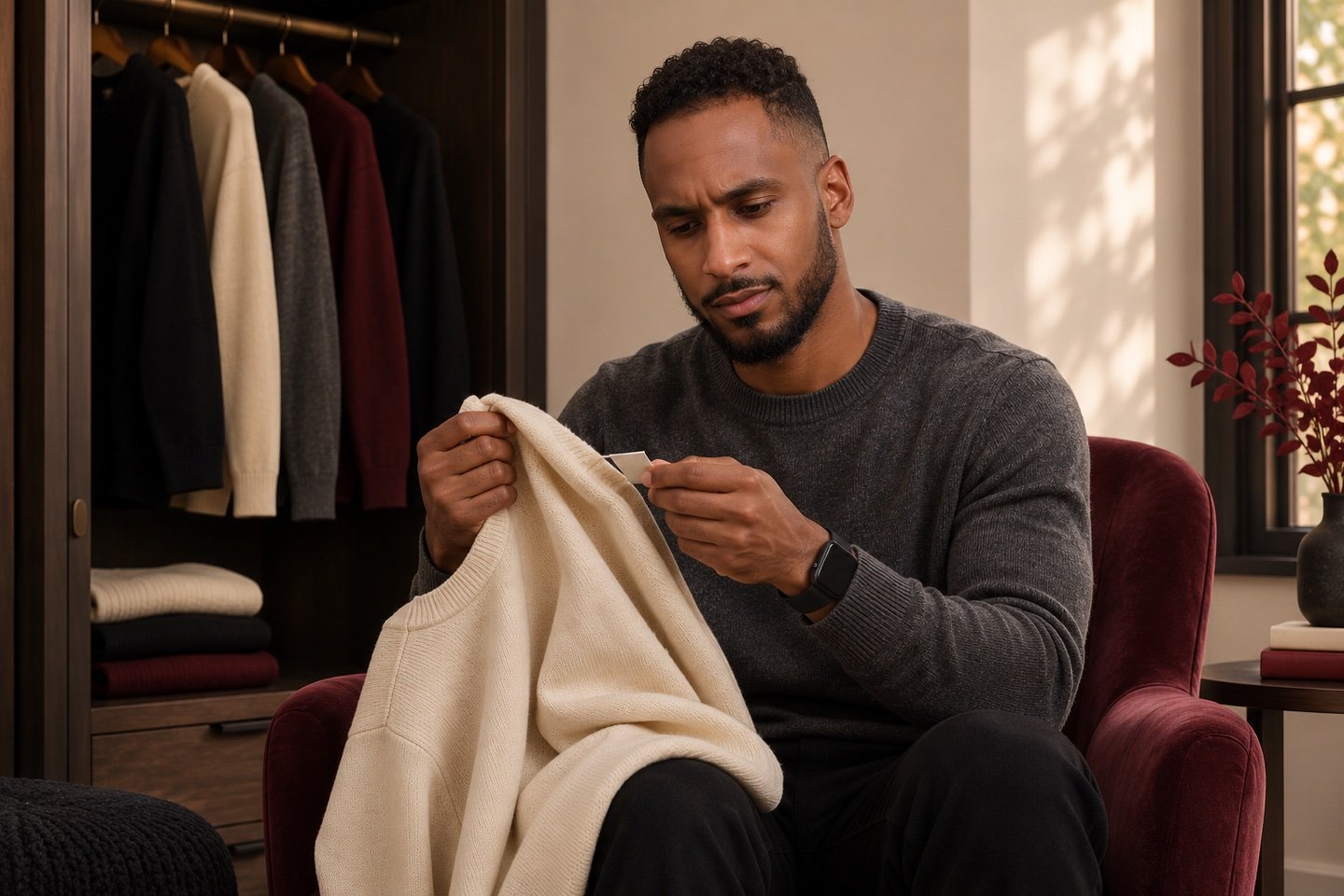
Read the care labels in his closet. If almost everything is machine washable, a dry-clean-only gift creates a chore he did not request. If he travels often, a delicate fabric that wrinkles in a suitcase may stay home. If he runs warm, a heavy synthetic layer can be wrong even when the color and size are right.
Protect the exchange
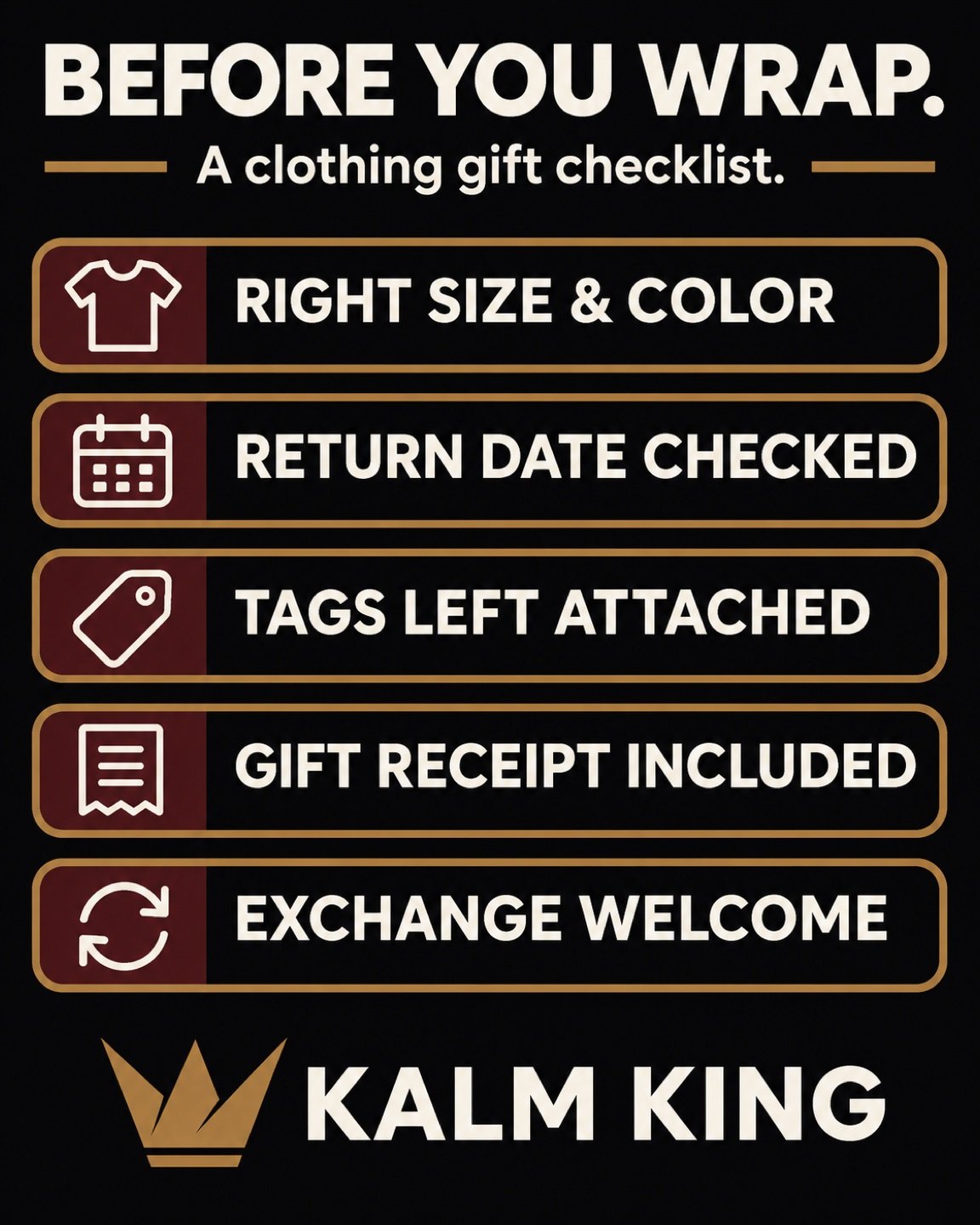
A gift receipt does not make the choice less thoughtful. It acknowledges that clothing has to pass a test no object can pass in a box. Confirm the return window, whether sale items are final, whether exchanges can be made online and whether the recipient needs the original payment method.
Leave tags attached and make trying it on feel normal. If the size is wrong, treat the exchange as part of completing the gift, not a verdict on your taste.
The five-minute decision check
- Have I seen him wear this garment type more than once?
- Do I know the brand, size and intended fit of a comparable piece?
- Does the fabric suit his climate, comfort and care habits?
- Is the garment for a real part of his life?
- Can I explain what works with it in his closet?
- Is the return or exchange easy?
Good clothing can change how someone carries himself, but only if it feels like his. That connection is explored in Can clothes change how you feel? What the research actually says.
How to buy clothes for him without guessing: build a useful brief
Before shopping, write a small brief rather than a shopping list. Include the occasion, the garment he actually wants, the fit he prefers, the maximum you want to spend and the last date an exchange would be practical. That keeps a persuasive product photograph from replacing the evidence. A coat can look excellent on a model and still be a poor gift for someone whose commute is mostly indoors.
Ask permission before going through someone’s closet or photographing their labels. If a surprise would require snooping, ask a casual, direct question instead: “Which sweatshirt do you wish you had a second version of?” Knowing the answer does not make the gift less personal. It lets you put the thought into choosing well instead of concealing the process.
Make the brief specific enough to reject the wrong item. “A soft, machine-washable layer for his weekend walks, in a color he wears already” is more useful than “something stylish.” It describes a job, a care preference and a visual direction without pretending you know a size you have not checked.
Separate a preference from a practical constraint
A preference leaves room for interpretation. He might usually wear navy but also enjoy a grey version. A constraint is different: he may need a uniform color, a particular pocket arrangement or clothing he can put on without difficult fasteners. Do not trade a constraint for a nicer photograph. Ask which details are essential and which are flexible before you choose.
Body changes are another reason to avoid assumptions. A favorite garment may be a useful reference, but only if it fits comfortably now. Never make the gift a message about gaining weight, losing weight or dressing “better.” Ask what feels good today. If he does not want measurements discussed, choose a different kind of gift rather than turning a generous gesture into a fitting appointment he did not request.
How to buy clothes for him without guessing the size chart
Read the heading above a size chart before you use its numbers. A body chart describes the person the maker intends to fit. A garment chart describes the finished item. They are not interchangeable. A shirt usually needs room beyond the wearer’s body measurement, but the amount depends on its cut, fabric and intended use. Do not add or subtract an invented universal allowance.
If you have a garment measurement and the store gives only body measurements, you do not yet have a like-for-like comparison. Look for the brand’s measuring instructions, ask its customer service for finished measurements or choose a retailer that supplies them. A familiar letter on the label is not a substitute for that missing information.
Our inseam guide can help you compare trouser lengths. Measure the relevant garment as instructed, record the units and note whether a dimension was taken flat or around the body. Keep inches and centimeters in separate labeled columns if you are comparing international stores. An unlabelled number is easy to misread later.
Use a simple comparison note
Record four things for each measurement: the measurement name, the method, the trusted garment’s number and the candidate’s number. Add a fifth note for what differs about the design. A longer back length might be intentional in an overshirt, for example, rather than a sign that the size is wrong. Keep the product’s stated fit beside the numbers so you do not mistake a relaxed cut for an ordinary shirt that runs large.
Measurements narrow the choice; they cannot tell you everything about comfort. Fabric weight, stretch direction, armhole shape and construction can change how an item feels. That is why a good return route belongs in the plan even after careful measuring. Avoid saying “I checked everything, so it has to fit.” The person wearing it gets the final answer.
Match the gift to the garment, not a universal size
T-shirts, knitwear and layers
For a T-shirt, compare the kind he reaches for: a fitted undershirt is not a reference for a relaxed everyday tee. Check the neck opening, sleeve length and body length as well as the chest. With knitwear, pay attention to how the fabric feels against the skin and whether he normally wears a layer underneath. A texture you love may be one he avoids.
For an overshirt or jacket, account for what he will wear beneath it using the maker’s guidance. Do not automatically buy a size up. Some pieces already include layering room; others are designed to sit closer. If you can only verify his shirt size, that does not establish his jacket size. Treat the jacket as a separate fit decision.
Trousers and one-piece garments
Trouser comfort is not determined by waist size alone. Rise, seat, thigh and leg shape matter too. Compare a pair he likes for the same occasion, and check whether the store’s length is an inseam or another measurement. If the gift needs hemming, find out whether he wants that extra step before you buy. Do not arrange irreversible alterations before he has tried it on.
Overalls and jumpsuits introduce another question: how the top and bottom fit together. Bib overalls commonly have adjustable shoulder straps, while many jumpsuits have a fixed torso length. Some styles differ, so inspect the actual design. Our overalls, coveralls and jumpsuits comparison explains the distinctions; the jumpsuit fit guide covers movement and torso room. These are good gifts when you have specific information, not good places to improvise from height alone.
Socks, underwear and accessories

Lower fit risk does not mean no fit risk. Socks still have size ranges, thicknesses and heights. Caps can have fixed sizing or adjustments. A belt needs the maker’s own sizing method. Check those details instead of treating the accessory shelf as a place where numbers stop mattering.
Underwear is especially personal, and some retailers restrict returns once packaging is opened. Buy it only when the recipient welcomes that kind of gift and you know the style and fit they prefer. The difference between briefs, trunks and boxer briefs is not just appearance. If you are unsure, a gift card or a shopping trip together is the more considerate option.
Three worked examples of a better clothing gift
These are hypothetical shopping decisions, not customer stories or promises that a particular item will fit. They show how the same method changes with the evidence available.
The partner who repeats one sweatshirt
You know the exact model, size and fabric of a sweatshirt he wears often. First, confirm that it still fits as he likes and that he would enjoy another. Then check whether the current version has the same specifications. A product name can stay familiar while details change. If the original is discontinued, compare the replacement rather than assuming the nearest-looking product is equivalent.
Your personal touch could be a color he mentioned or a note about the weekend you have planned. It does not need to be a completely unfamiliar silhouette. Keep the receipt and explain that an exchange is welcome. The successful gift is the one he enjoys wearing, not the one that proves you can surprise him.
The friend starting a different job
A new job sounds like a reason to buy formal clothes, but check the actual dress expectations first. A suit may be unnecessary, and protective work clothing may require specifications a casual gift cannot meet. Ask what is missing from his week. An everyday layer, a useful bag or a contribution toward the item he selects may solve the real problem better than a symbolic “professional” outfit.
If he needs a fitted shirt or trousers, offer to choose them together. You can still make the day feel like a gift. Set the budget kindly and let him judge comfort without an audience. Do not use the occasion to replace his style with yours.
The relative whose size you do not know
You have a good sense of his colors but no reliable fit information. Rather than guessing a jacket, narrow the gift to an item he uses whose sizing you can verify, or give him a choice between two options. If even that information is missing, a retailer gift card with a thoughtful explanation is honest. Check where the card can be used and any relevant restrictions before buying.
The important part is not pretending uncertainty has disappeared. A clear “I wanted you to pick the fit you like” is more respectful than presenting a guessed size as a test of whether you know him well enough.
Check the return route before the wrapping paper
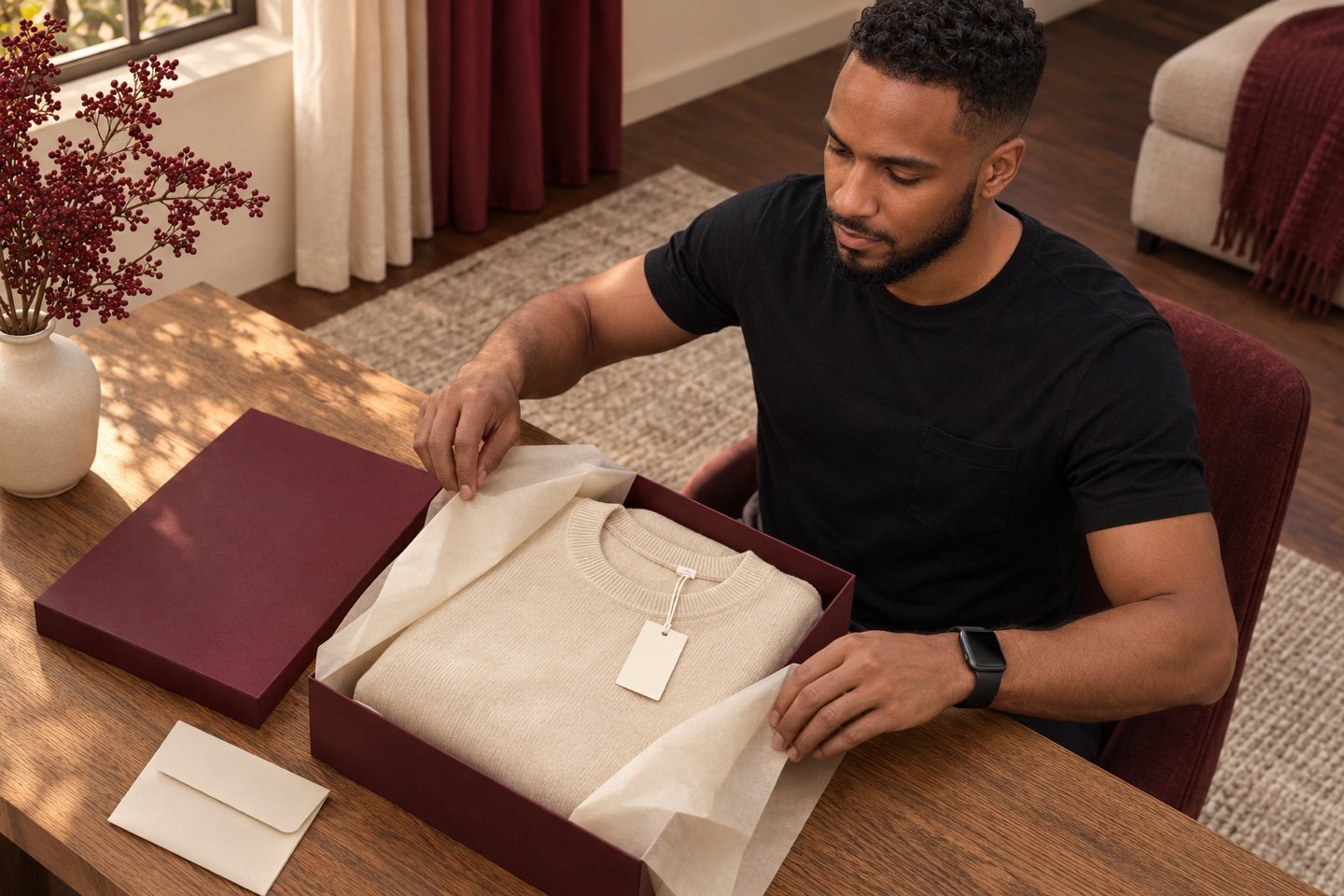
Read the actual retailer’s current policy, not a search-result summary. Note whether the return clock starts at order, delivery or collection; whether holiday extensions apply; whether sale merchandise is excluded; and whether shipping or return fees reduce the value. Store credit and a refund are different outcomes. Make sure the available option will work for the recipient.
If you order early, compare the gift date with the last eligible return date. A generous-looking window may already be nearly over when the present is opened. Keep the order confirmation somewhere you can find it, and include the gift receipt without exposing payment information unnecessarily. For an online exchange, find out whose account or email receives the instructions.
Before wrapping, check the delivered item against the order: size, color, condition and included pieces. Leave tags and packaging intact where the policy requires it. Do not wash it, remove labels or have it personalized before the recipient has agreed, since those steps can affect returns. If it arrives wrong or damaged, use the retailer’s process rather than passing the problem along as part of the gift.
Make trying it on comfortable
Give him room to try the clothes privately and at a sensible time. He does not owe the room a demonstration, a body comparison or an immediate verdict. Say plainly that you kept the receipt and will help with an exchange. That removes the pressure to praise a garment that pulls, scratches or simply does not feel like him.
If he says no, ask only what helps resolve it: another size, another item or a return. Avoid persuading him that it looks good enough to tolerate. A gift can be thoughtful even when the first choice does not work. Listening to the answer is part of the care you put into choosing it.
Sources
- Teigen, K. H., Olsen, M. V. G. and Solås, O. E. “Giver-receiver asymmetries in gift preferences.”
- Liu, P. J., Dallas, S. K. and Fitzsimons, G. J. “A Framework for Understanding Consumer Choices for Others.”
- Rim, S., et al. “The Gift of Psychological Closeness.”
- Proper Cloth. “How to Measure a Dress Shirt.”
Frequently asked questions
How can I find his clothing size without asking?
With his permission, check the label and measure a comparable garment he wears often. Compare like-for-like garment measurements using the retailer’s instructions. If that would mean snooping, ask him directly or choose the gift together.
What clothing gifts are safest when the size is uncertain?
Accessories and relaxed garments carry less fit risk. Caps, scarves, bags, knitwear and overshirts are usually safer than fitted shirts, trousers, tailored jackets or shoes.
Is a gift receipt impersonal?
No. A gift receipt protects the recipient from a brand or fit mismatch and makes the exchange part of completing the gift.
Should I buy a different size to leave room for layers?
Not automatically. Check the maker’s intended fit and layering guidance, then compare a similar garment he wears over the same kind of layer. A piece designed as an outer layer may already include extra room. Choosing a larger label size without checking can also change the sleeves, collar and length. If the fit information is incomplete, ask the retailer for measurements or choose an option that is easy to return.
FIELD NOTES
Get the Overalls Fit Kit, free.
Your measurement card, the six fit checkpoints and a checklist to take shopping. Join Field Notes for new guides and a say in what Kalm King makes.
THE KALM KING JOURNAL
Continue reading
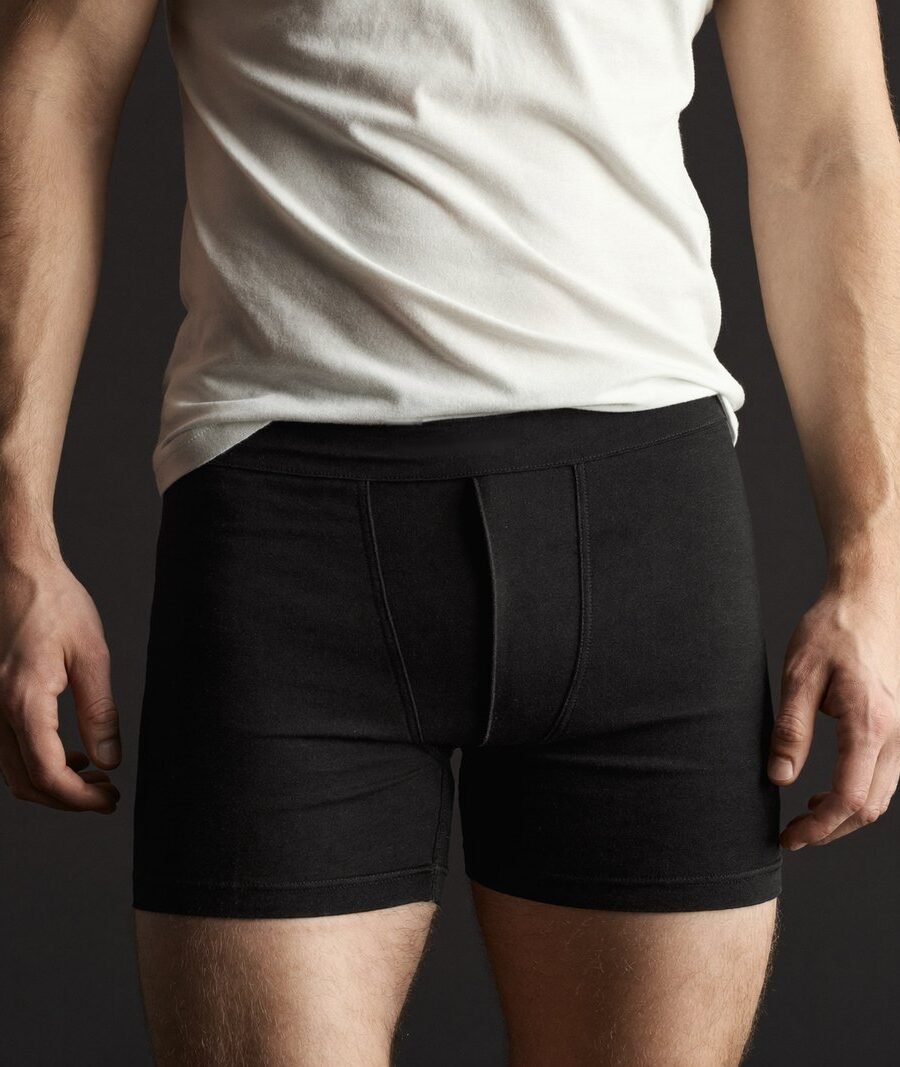
What Is Pouch Underwear? Benefits, Designs and Fit
Pouch underwear gives everything its own shaped space. Here’s how the main designs work, what they can and can’t do, and how a pouch should fit.
How to Prevent Thigh Chafing for Men
Stop thigh chafing before it starts: the layers, fabrics, balms and habits that keep your inner thighs comfortable, plus how to treat a rub that’s already sore.
How to Keep Black Clothes From Fading
Black clothes fade from dye loss, friction, heat and sun. Here’s how to wash, dry and store black so it stays black, and what to do when it’s already gone grey.